
Diet, Nutrition & Lifestyle
The Deep Dive
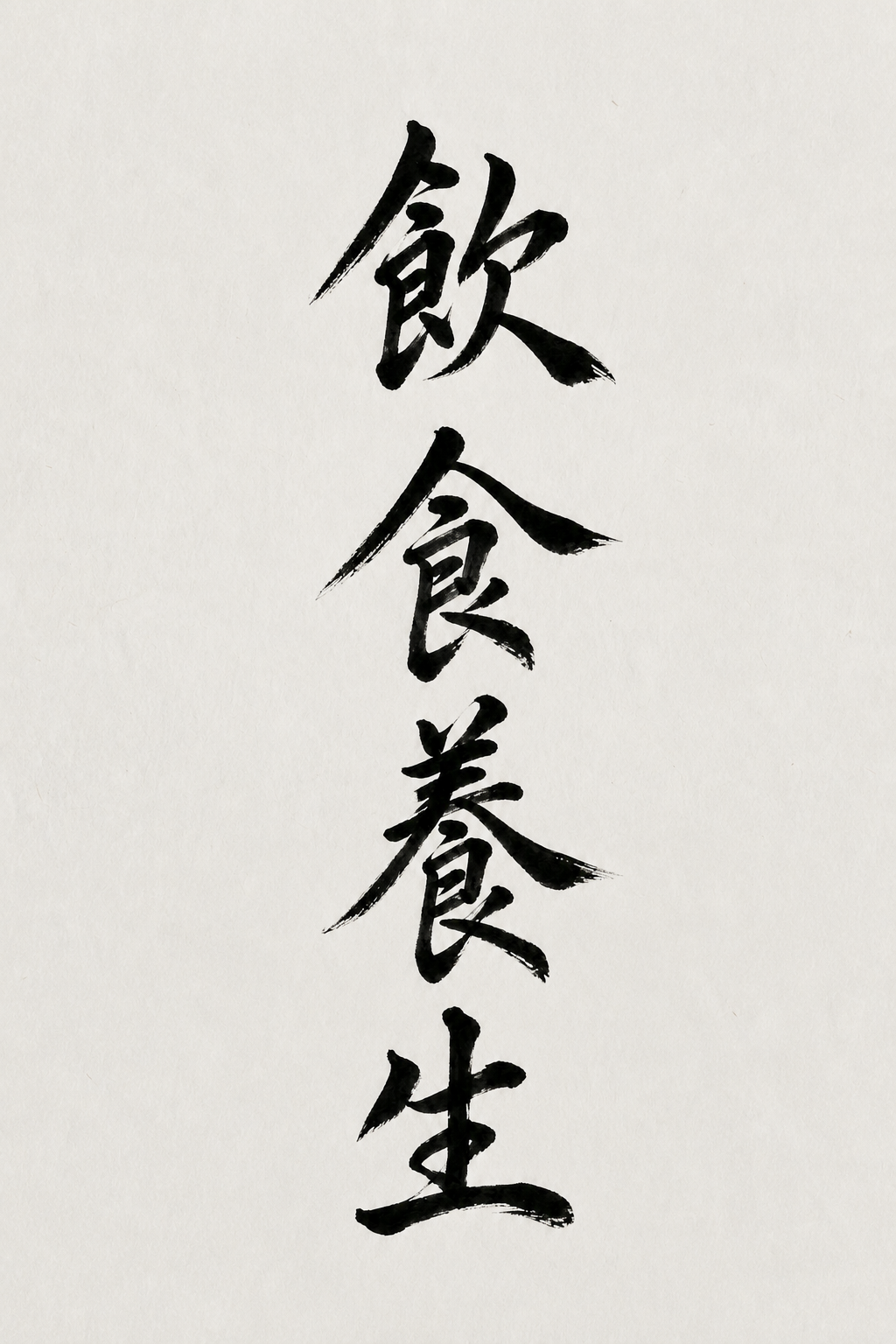
Yǐnshí yǎngshēng: ‘nourishing life and health through diet’
What Is Diet, Nutrition, and Lifestyle Therapy?
The foods we eat and the way we live each day can have a meaningful influence on our health, energy, recovery, and overall well-being. Diet, nutrition, and lifestyle therapy uses practical adjustments to everyday habits to help support the body’s natural functions and complement your treatment plan.
At Foothills Acupuncture, we approach these areas through the traditional principles of Chinese medicine while incorporating relevant insights from modern nutritional, physiological, and behavioral science. Recommendations are personalized, realistic, and designed to work within your daily life.
Diet and Nutrition

How Does Traditional Chinese Medicine View Food?
In Traditional Chinese Medicine, food is considered an important form of daily medicine. What we eat can either support the body’s resources or contribute to patterns of imbalance.
Rather than viewing food only in terms of calories, vitamins, protein, carbohydrates, and fat, Chinese dietary therapy also considers each food’s traditional energetic qualities. Foods may be described as warming, cooling, nourishing, drying, moistening, or supportive of particular functional systems within the body.
Recommendations may also take into account:
Your individual constitution
Current symptoms and patterns of imbalance
Digestive function and appetite
Energy levels and sleep quality
The season and local climate
Whether foods are raw, cooked, steamed, roasted, or fried
Meal timing, portion size, and eating habits
This allows dietary guidance to be adapted to the individual rather than applying the same diet to everyone.
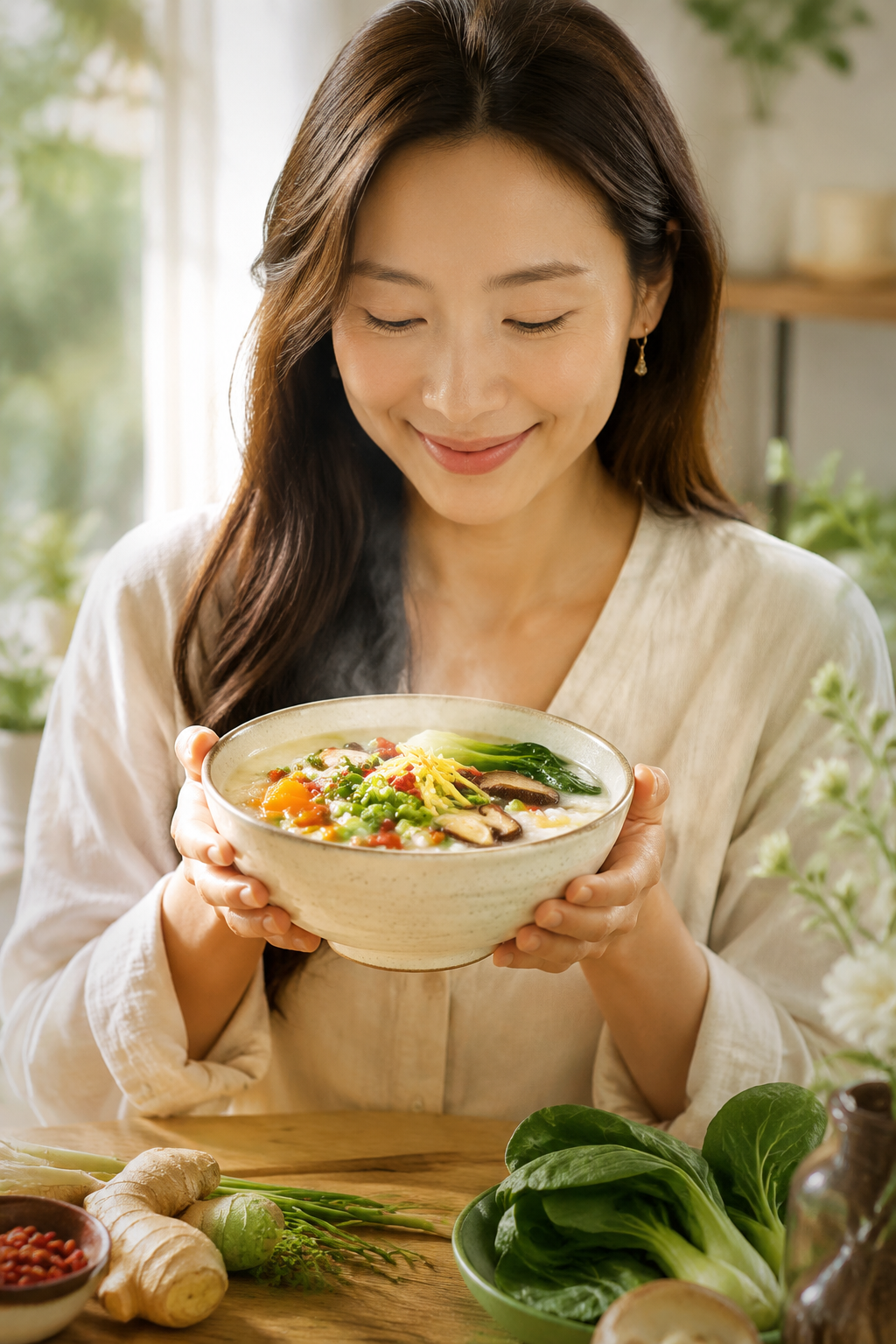
What Does It Mean When a Food Is “Warming” or “Cooling”?
In Chinese medicine, warming and cooling do not refer only to the physical temperature of a food. They describe the traditional effects a food is believed to have after it is consumed.
For example, ginger, cinnamon, garlic, and many cooked foods are traditionally considered warming. Watermelon, cucumber, mint, and many raw foods are considered cooling. Neither category is automatically good or bad. The appropriate choice depends on the person, the season, the symptoms being addressed, and the overall pattern of imbalance.
Someone experiencing sensations of coldness, fatigue, loose stools, or digestive weakness may be guided differently from someone experiencing excessive warmth, thirst, agitation, or dryness. These traditional classifications help the practitioner determine which foods may be more supportive and which may be less appropriate at a particular time.

What Are the Five Flavors in Chinese Dietary Therapy?
Traditional Chinese Medicine recognizes five primary flavors: sweet, sour, bitter, pungent, and salty. Each flavor is traditionally associated with particular physiological functions and patterns within the body.
The goal is not to consume large amounts of one flavor, but to maintain an appropriate balance. Excessive cravings for or overconsumption of a particular flavor may sometimes provide useful information about dietary habits and patterns of imbalance.
The traditional meaning of “sweet” should not be confused with refined sugar. Many naturally sweet foods—including squash, carrots, sweet potatoes, rice, oats, and other whole foods—are traditionally valued for their nourishing and supportive qualities.
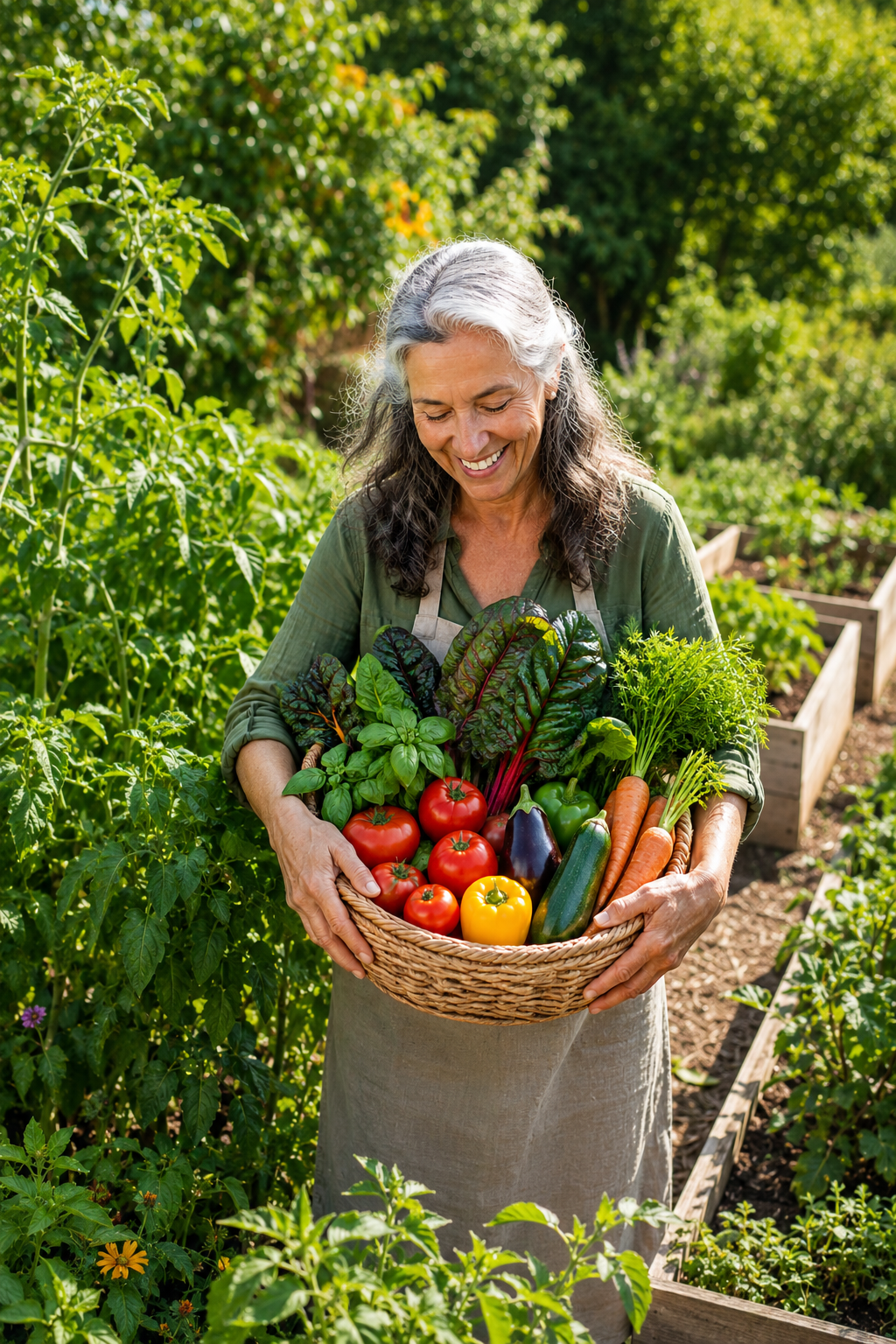
How Does Modern Nutritional Science Fit Into This Approach?
Modern nutritional science helps us understand food through measurable components such as fiber, protein, essential fatty acids, vitamins, minerals, phytonutrients, hydration, and blood-sugar response. It also examines how overall dietary patterns influence cardiovascular health, metabolic function, digestive health, body composition, energy, and long-term disease risk.
We use this information alongside the pattern-based framework of Chinese medicine. A recommendation may therefore consider both the traditional qualities of a food and its known nutritional value.
In general, a strong nutritional foundation emphasizes a varied selection of nutrient-dense foods, including vegetables, fruits, adequate protein, health-supportive fats, and appropriate whole-food sources of carbohydrates. Current federal nutrition guidance similarly prioritizes whole, nutrient-dense foods while recommending that highly processed foods, added sugars, excessive sodium, and other less-supportive ingredients be reduced. Dietary Guidelines for Americans, 2025–2030
Are Foods Recommended Based on a Particular Health Concern?
They can be. Chinese dietary recommendations are typically based on the person’s overall presentation rather than on a symptom or diagnosis alone.
Two people experiencing the same concern may have different constitutions, digestive patterns, energy levels, sleep habits, and accompanying symptoms. Because of these differences, they may not receive identical recommendations.
Dietary guidance may be used to support treatment plans addressing concerns such as:
Digestive discomfort
Irregular bowel habits
Low or inconsistent energy
Stress and tension
Sleep difficulties
Headaches
Menstrual or menopausal concerns
Muscular recovery
Persistent inflammation
General health and longevity
Food and lifestyle recommendations are intended to support appropriate medical care—not replace necessary evaluation, testing, medication, or treatment.

Does Food Preparation Matter?
Yes. Chinese dietary therapy considers how preparation can change the way a food affects the body.
Raw and chilled foods generally require more digestive effort and are traditionally considered more cooling. Cooking can soften food, reduce the work required to break it down, and make certain foods easier for some people to tolerate. Soups, stews, steamed vegetables, congee, and other gently cooked meals may therefore be recommended when digestion or energy is compromised.
This does not mean that everyone should avoid raw foods. Preparation methods are selected according to individual needs, digestive tolerance, nutritional goals, season, and preference.
Why Is Digestion So Important in Chinese Medicine?
Chinese medicine places significant importance on the body’s ability to receive, transform, and utilize nourishment. Eating nutritious food is valuable, but the body must also be able to digest and absorb it effectively.
Symptoms such as bloating, abdominal discomfort, reflux, inconsistent appetite, loose stools, constipation, or fatigue after eating may suggest that additional attention should be given to digestive function.
Recommendations may involve adjusting meal size or timing, eating more slowly, improving hydration, limiting foods that repeatedly aggravate symptoms, or favoring more easily digested cooked foods. When appropriate, patients may also be advised to seek evaluation from a physician, registered dietitian, or other qualified healthcare professional.
Do Recommendations Change With the Seasons?
They may. Traditional Chinese Medicine emphasizes living in greater harmony with seasonal and environmental changes.
During colder months, warm and cooked foods may be emphasized to support comfort, digestion, and energy. During hot weather, lighter meals, hydrating foods, and traditionally cooling ingredients may be more appropriate. Seasonal adjustments may also address changes in activity, sleep, hydration, mood, and susceptibility to illness.
The goal is not to follow a rigid seasonal diet, but to become more responsive to what the body may need as conditions change.
Will I Be Asked to Give Up All the Foods I Enjoy?
No. Food should provide nourishment, but it is also connected to enjoyment, family, culture, comfort, and community.
A healthy approach should leave room for flexibility. Rather than labeling foods as universally “good” or “bad,” we focus on patterns, frequency, portion, preparation, and how particular foods affect you.
The most effective recommendations are the ones you can apply consistently without making everyday life miserable.
Lifestyle

What Lifestyle Recommendations May Be Included?
Lifestyle therapy can include a wide range of practical recommendations selected according to your health concerns, physical abilities, and treatment goals.
These may include:
Posture and ergonomic corrections
Targeted stretches
Mobility or strengthening exercises
Walking and other appropriate movement
Breathing or relaxation practices
Stress-management strategies
Sleep and evening-routine adjustments
Hydration and meal-timing recommendations
Workstation or repetitive-movement modifications
Activity pacing during injury recovery
Strategies for creating healthier daily routines
Modern research strongly supports regular physical activity, reduced sedentary time, and adequate sleep as important foundations of health. The World Health Organization recommends that most adults work toward 150–300 minutes of moderate physical activity each week, with adjustments for health status and ability. Most adults also need at least seven hours of sleep per night, although individual needs vary. World Health Organization and CDC

How Can Lifestyle Changes Support Acupuncture and Chinese Medicine?
Acupuncture may help create a positive therapeutic response, but the body continues to be influenced by what happens between appointments.
Sleep, movement, nutrition, stress, posture, workload, and repetitive habits can either reinforce progress or repeatedly aggravate the same problem. Addressing these factors can help create a more favorable environment for healing and may improve the durability of treatment results.
This does not mean that every aspect of your life must change at once. Small, carefully selected adjustments are often more useful than an overwhelming list of instructions.

Are Recommendations Personalized?
Yes. Dietary and lifestyle recommendations should reflect the person—not simply the condition.
Guidance may be adapted according to your:
Symptoms and treatment goals
Chinese medicine diagnosis
Medical history
Medications and supplements
Food allergies or intolerances
Activity level and physical limitations
Schedule, budget, and cooking ability
Cultural preferences
Current willingness and capacity for change
We focus on changes that are both therapeutically meaningful and realistically sustainable.
Are Supplements or Chinese Herbal Formulas Part of Nutritional Therapy?
They may be discussed, but food, nutritional supplements, and Chinese herbal medicine are not interchangeable.
Supplements provide concentrated nutrients or other dietary substances. Chinese herbal formulas are selected according to a Chinese medicine diagnosis and may contain multiple herbs working together as a coordinated prescription. Both can interact with medications or be inappropriate for certain health conditions.
Patients should disclose all medications, herbs, and supplements they are taking. New supplements or herbal products should not be started solely because they are described as “natural.” When needed, we coordinate recommendations with or refer patients to their physician, pharmacist, registered dietitian, or another qualified healthcare professional.
How Quickly Can Diet and Lifestyle Changes Make a Difference?
The timeline depends on the concern, its duration, and the consistency of the changes being made. Some patients notice improvements in digestion, energy, sleep, or general comfort relatively quickly. Other goals—particularly those involving long-standing habits, physical conditioning, or chronic health concerns—require more time.
Like acupuncture, dietary and lifestyle therapy often works cumulatively. The objective is not a quick fix, but steady improvement that can be maintained.
How Are Diet and Lifestyle Recommendations Incorporated Into Treatment?
Basic recommendations may be included as part of your acupuncture or Chinese medicine treatment when they are relevant to your care. More complex concerns may require additional time for assessment, education, and the development of a personalized plan.
If you would like to place greater emphasis on nutrition or lifestyle support, please mention this when scheduling or at the beginning of your appointment. You may also contact Foothills Acupuncture by phone, text, or email, or schedule a complimentary consultation to determine which appointment will best meet your needs.
Call/Text: (720)-683-0577
email: info@foothillsacupuncture.com
Use the online scheduler below to book your appointment.