
Gua Sha Therapy
The Deep Dive
What Is Gua Sha Therapy?
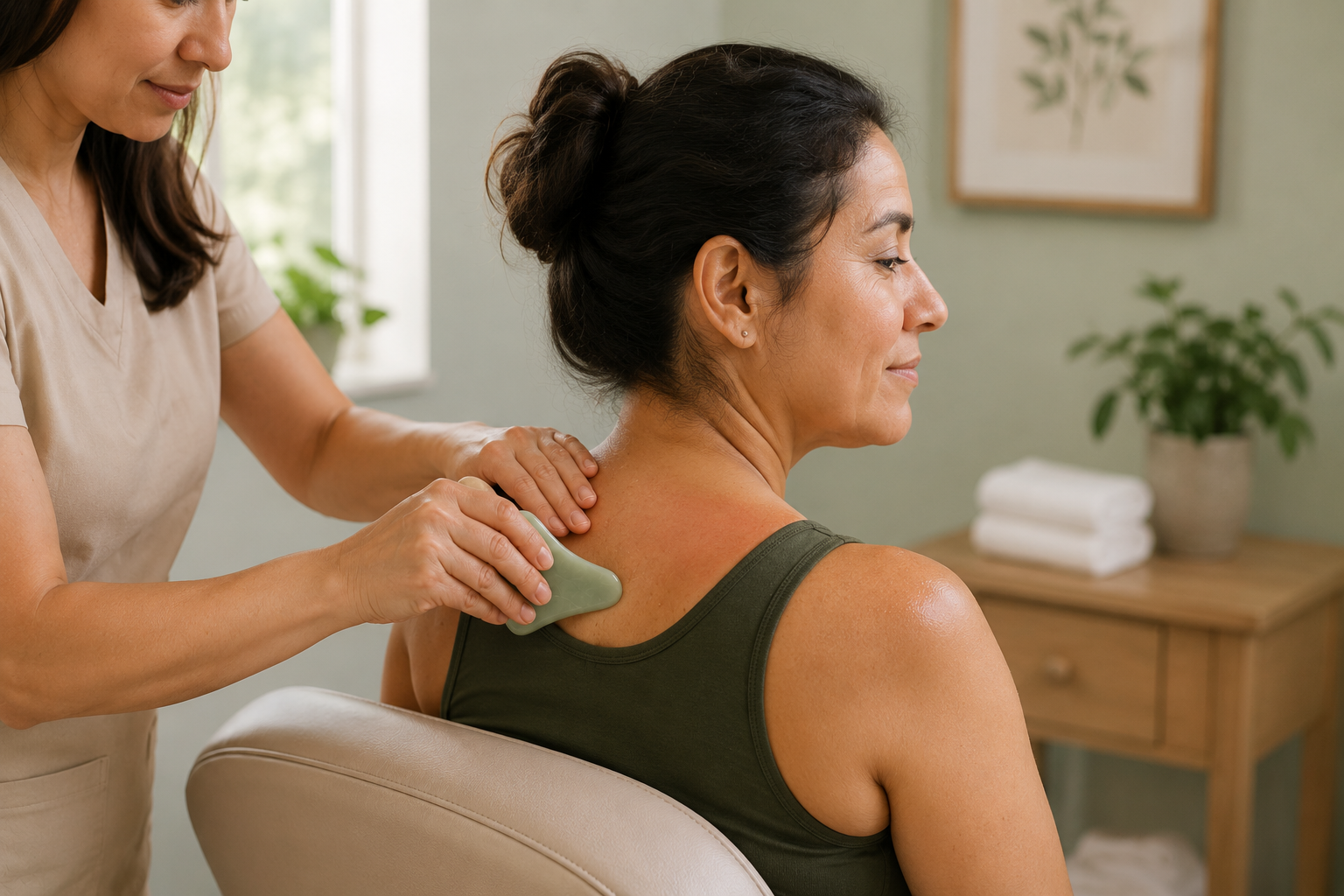
Gua sha—simple, effective, and deeply rooted in Traditional Chinese Medicine.
Gua sha is a therapeutic technique that uses a smooth-edged tool to apply repeated strokes with controlled pressure across the skin. A small amount of oil or therapeutic balm is typically applied first, allowing the tool to glide comfortably over the treatment area.
This technique helps stimulate local circulation, release muscular and fascial tension, improve mobility, and support the body’s natural healing processes. Gua sha may be performed as a stand-alone therapy or incorporated into an acupuncture treatment to address specific areas of pain, stiffness, or restricted movement.
The term “gua sha” roughly translates as “scraping sha.” Gua refers to the stroking or scraping technique, while sha describes the temporary red or purple markings that may appear as circulation is brought toward the surface.
Are There Different Styles of Gua Sha?
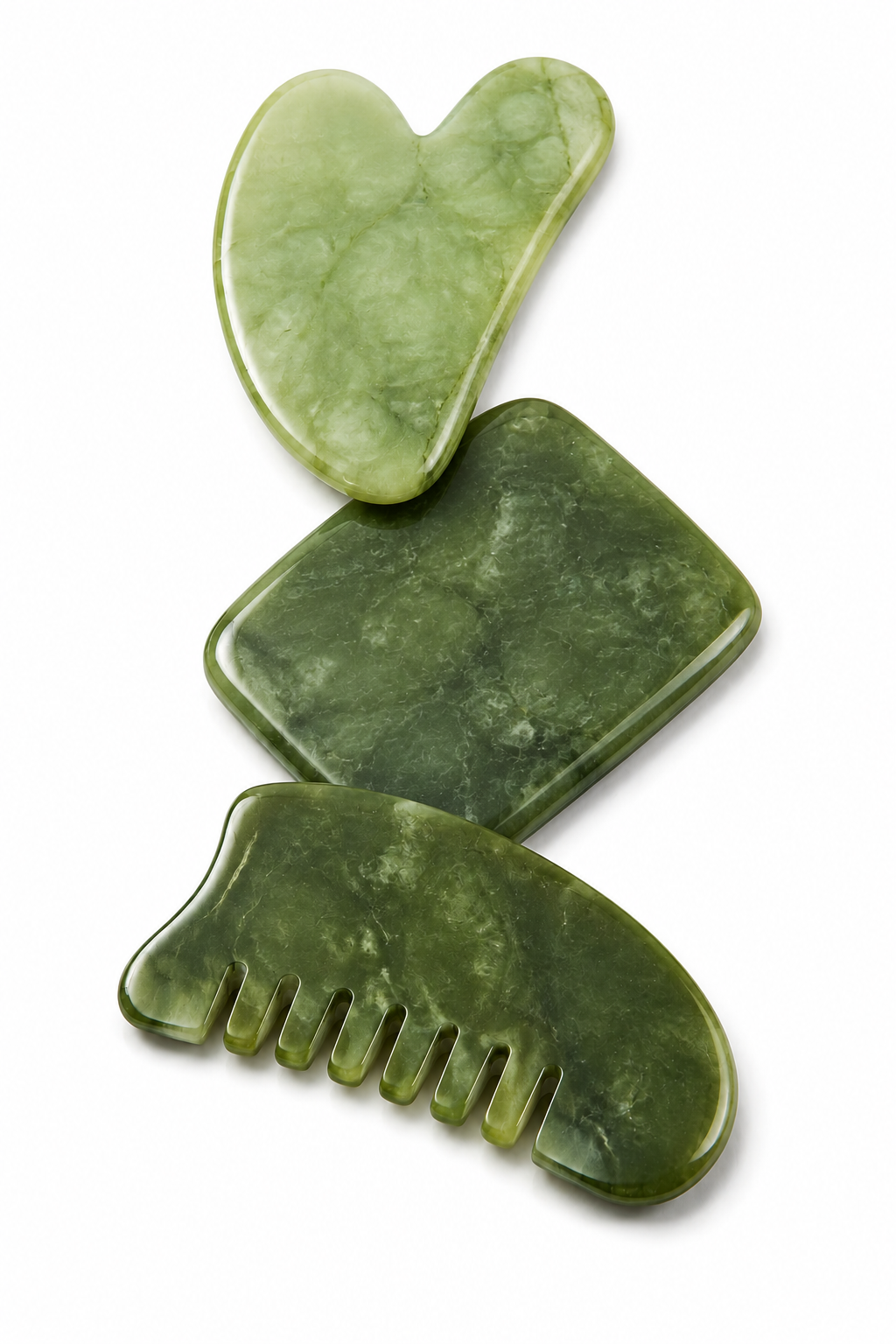
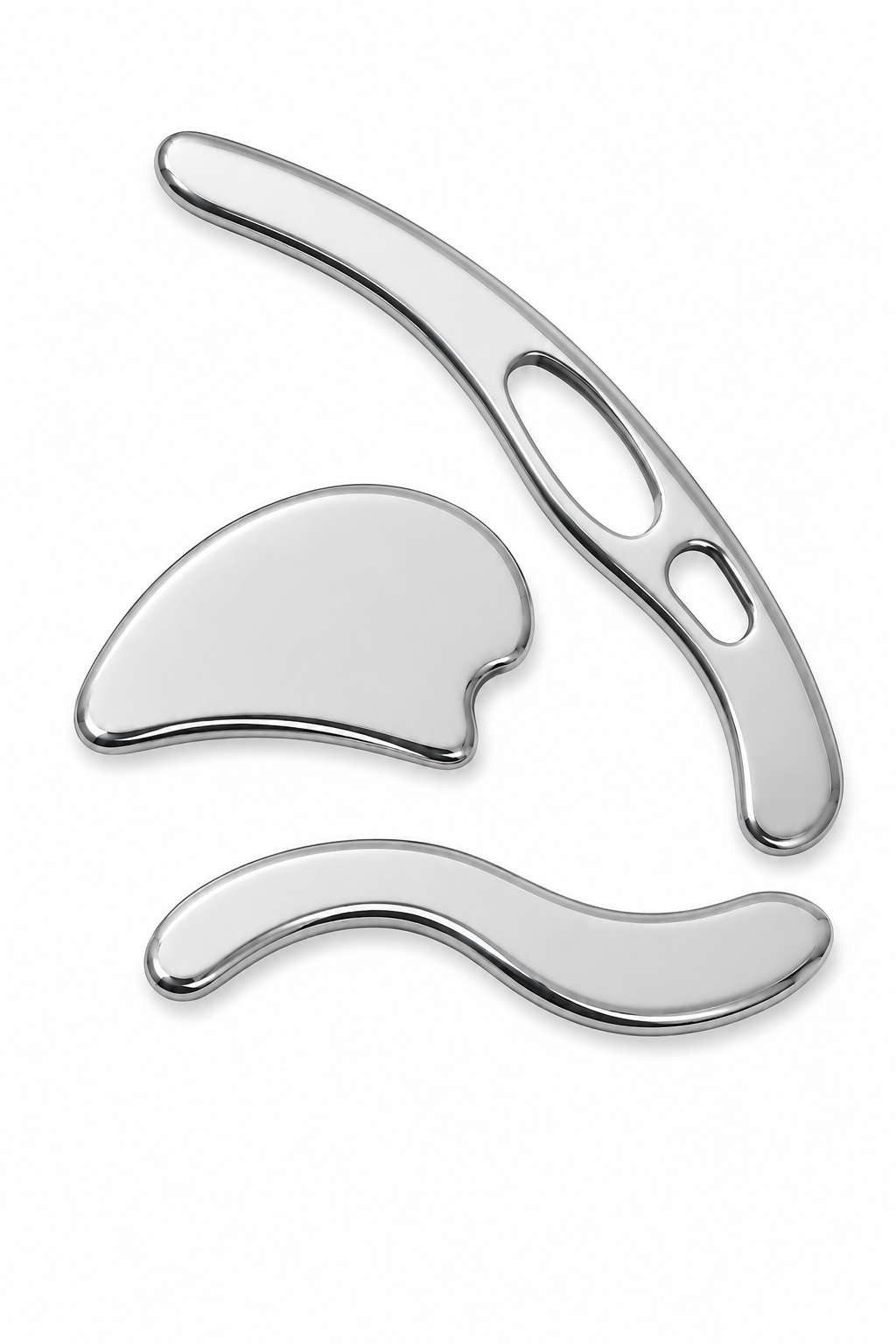
Yes. Gua sha includes several different styles, tools, and levels of pressure. Traditional body gua sha generally uses moderate, controlled pressure over muscles, connective tissue, and acupuncture channels. Gentler techniques may be used on sensitive areas or when visible markings are not desired.
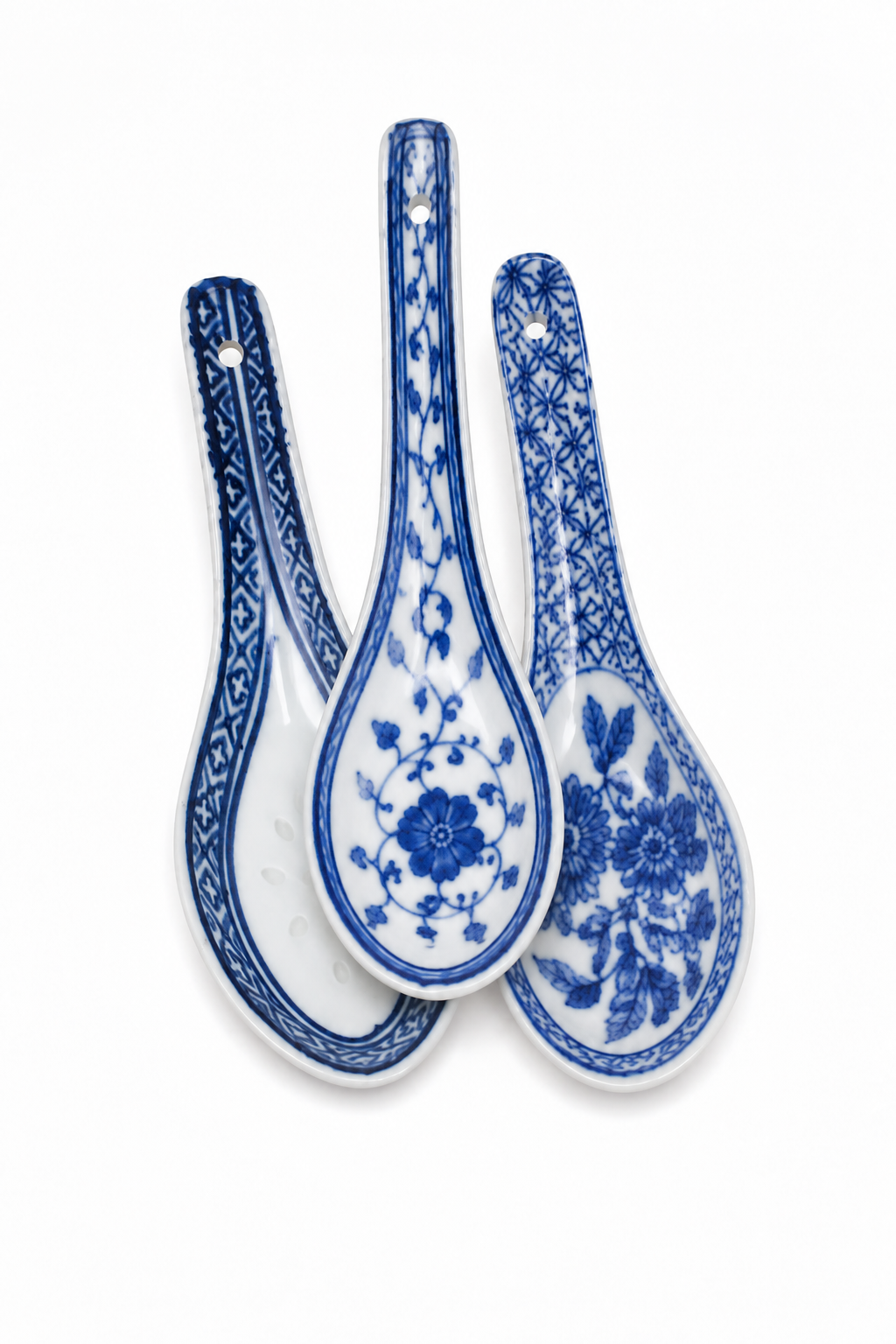
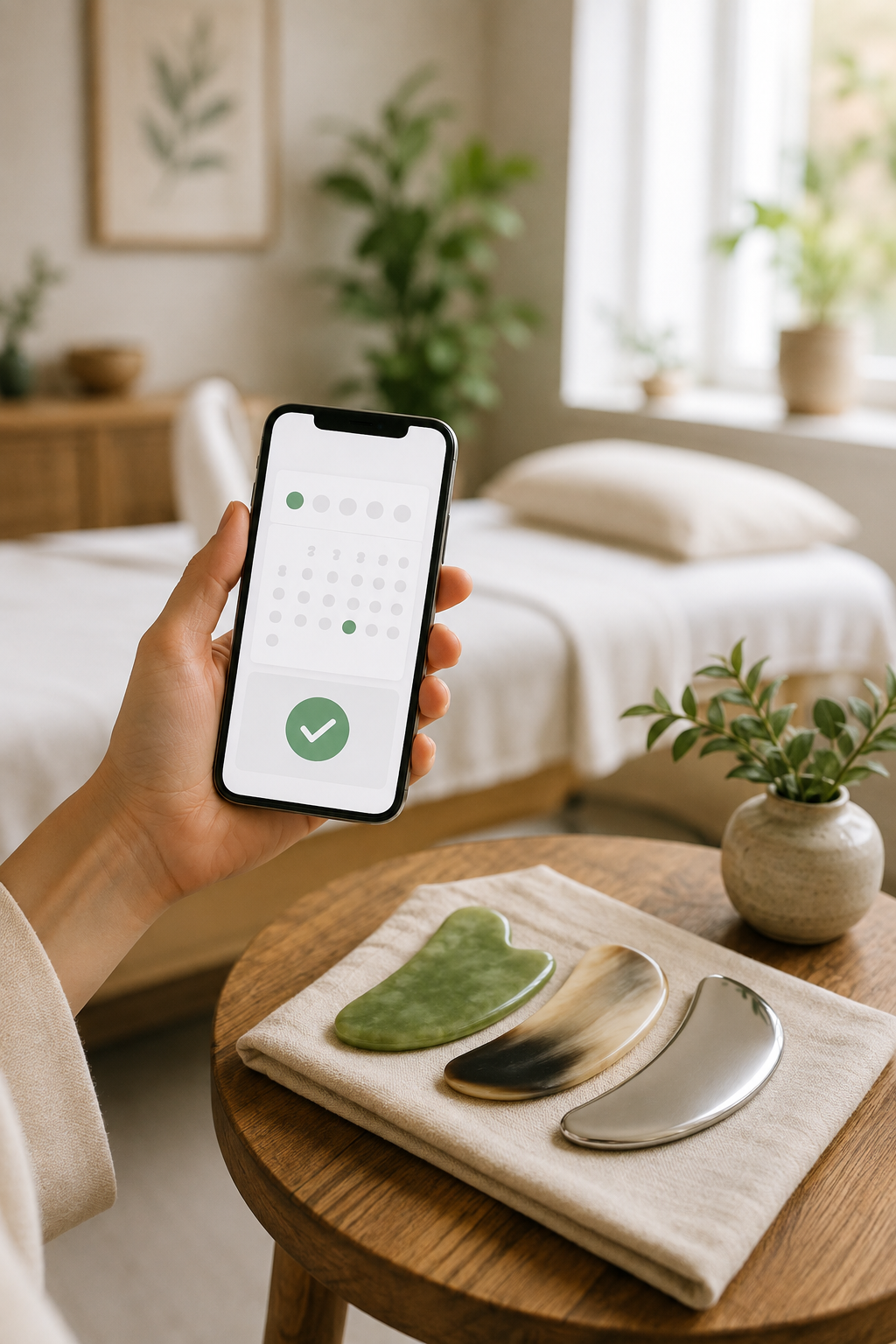
Traditional tools may be made from jade, stone, horn, ceramic, or metal. A smooth Chinese soup spoon is also a classic and highly effective gua sha tool. Modern practitioners may use specially shaped stainless-steel instruments similar to those used in instrument-assisted soft-tissue mobilization.
Gua sha techniques can be adapted for:
Muscular tension and pain
Athletic performance and recovery
Restricted movement
Fascial tightness
Neck, shoulder, and back tension
Gentle facial and cosmetic applications
The tool, technique, direction of treatment, and amount of pressure are selected according to each patient’s condition, treatment goals, comfort, and sensitivity.
How Is Gua Sha Beneficial?
Gua sha is commonly used to address muscular soreness, stiffness, restricted movement, and areas of persistent tension. The repeated therapeutic strokes stimulate local circulation and provide mechanical input to the muscles and connective tissues beneath the skin.
Patients often report that treated areas feel looser, warmer, and more mobile following a session. Gua sha may be particularly helpful when muscles feel tight or “stuck,” or when tension continues to return despite stretching or massage.
Gua sha is commonly incorporated into treatment plans for:
Neck and shoulder tension
Back pain and stiffness
Muscle soreness and overuse
Sports-related tension and recovery
Restricted range of motion
Repetitive-use discomfort
Areas of fascial restriction
Clinical research examining gua sha remains limited, but small studies have reported short-term improvements in certain types of neck and lower-back pain. Gua sha should be viewed as one component of an individualized treatment plan rather than a cure for every pain condition.
How Does Gua Sha Work?
From a Traditional Chinese Medicine perspective, gua sha encourages the movement of qi and blood through areas where circulation has become restricted or stagnant. Restoring this movement is traditionally understood to help reduce pain, release tension, and promote healing.
From a modern physiological perspective, gua sha produces mechanical stimulation of the skin, superficial fascia, muscles, blood vessels, and sensory nerves. Research has demonstrated a temporary increase in surface microcirculation following treatment. This response may help explain the warmth, relaxation, reduced tension, and temporary pain relief that some patients experience.
Gua sha may also influence pain perception through sensory stimulation and may help improve the movement of muscles and connective tissues. However, research into its precise biological mechanisms is still developing.
What Are the Red Marks Caused by Gua Sha?
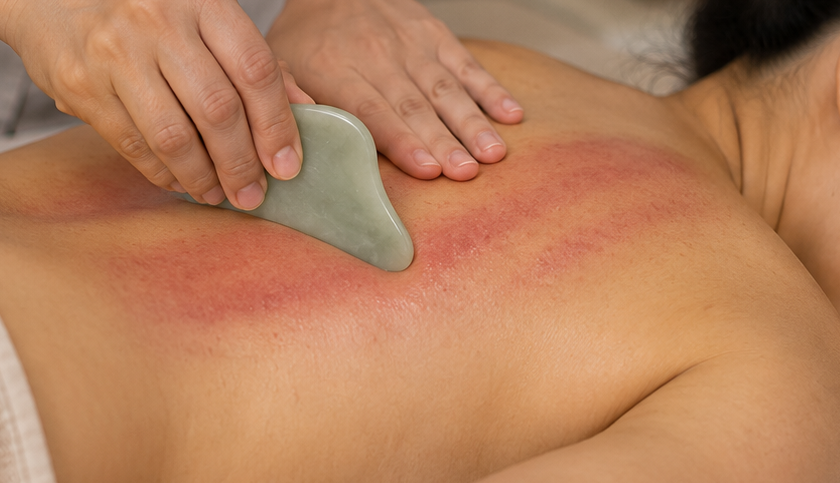
Traditional gua sha may produce temporary red, purple, or speckled markings known as sha. These markings occur when repeated pressure causes blood to move into the superficial tissues beneath the skin, creating small areas of petechiae or bruise-like discoloration.
The appearance of sha can vary considerably. Some patients develop noticeable markings, while others develop very little discoloration. The amount of marking depends on the treatment area, technique, pressure, tissue sensitivity, medications, circulation, and the individual patient’s response.
These markings are an expected possible response to traditional body gua sha and do not necessarily indicate that the treatment was excessively forceful. They usually begin fading within several days, although darker areas may take longer to disappear.
When visible marks are not appropriate or desired, gentler techniques can be used.
Does Gua Sha Hurt?
Gua sha should not feel sharply painful. Patients typically describe the sensation as firm pressure, warmth, or a vigorous massage-like feeling. Areas with significant muscular tension may feel temporarily tender during treatment, but the pressure can always be adjusted to remain within the patient’s comfort level.
Some mild tenderness or sensitivity may remain afterward, particularly when traditional body gua sha produces visible sha. This generally resolves as the markings fade.
Please communicate with your practitioner throughout the treatment so the technique and pressure can be adjusted for your comfort.
Is Gua Sha Safe?
When performed appropriately by a trained practitioner, gua sha is generally considered a low-risk therapy. Temporary redness, tenderness, petechiae, or bruise-like discoloration may occur following treatment.
Gua sha may need to be modified or avoided over:
Open wounds or active skin infections
Rashes, burns, or irritated skin
Recent injuries or fractures
Areas of significant swelling or inflammation
Varicose veins or compromised blood vessels
Areas affected by recent surgery
Certain bleeding or clotting disorders
Patients who take anticoagulant or blood-thinning medication, bruise easily, have a bleeding disorder, or have a significant medical condition should inform their practitioner before treatment. Every treatment should be adapted to the patient’s health history and current condition.
At Foothills Acupuncture, all gua sha instruments are thoroughly cleaned and disinfected between patients according to professional infection-control standards.
What Should I Do After Gua Sha?
Following treatment, the area may feel warm, relaxed, or mildly tender. We generally recommend drinking water, avoiding excessive irritation of the treated skin, and allowing the body time to respond to the treatment.
Until any tenderness or markings have subsided, avoid vigorous scrubbing, exfoliating products, and prolonged exposure to intense heat or direct sunlight over the treated area.
Most patients can return to their normal daily activities immediately following treatment.
How Long Has Gua Sha Been Practiced?
Gua sha has been practiced for centuries within Chinese medicine and related healing traditions throughout East and Southeast Asia. Similar techniques are known by names such as coining, spooning, and cao gio, depending on the culture and region.
Because many early gua sha techniques were passed down through families and community healing traditions, its precise point of origin is difficult to establish. Written medical discussions of sha-related conditions and scraping therapies became more developed during China’s later imperial periods, particularly during the Ming and Qing dynasties.
Historically, practitioners used readily available smooth-edged objects, including ceramic soup spoons, coins, horn, stone, and jade. Modern gua sha preserves the essential therapeutic principle of using controlled, repeated strokes while incorporating contemporary tools, hygiene standards, and an improved understanding of anatomy and physiology.
Although social media has recently popularized facial gua sha, traditional gua sha was primarily developed as a therapeutic body treatment rather than simply a cosmetic or beauty technique.
Can Gua Sha Be Combined With Acupuncture or Cupping?
Yes. Gua sha combines well with acupuncture, cupping, tui na, and other Traditional Chinese Medicine therapies. Each modality affects the tissues differently, allowing the treatment to be customized to the patient’s condition.
Acupuncture may be used to address the broader pattern underlying the condition, while gua sha provides focused treatment to specific muscles, connective tissues, and areas of restricted movement. Cupping may also be added when broader tissue decompression or suction is appropriate.
Your practitioner will determine which combination of treatments is best suited to your needs, goals, and available appointment time.
Gua Sha Services offered at Foothills Acupuncture
-
Gua Sha is a specialized manual therapy that uses controlled strokes with a smooth-edged therapeutic tool to address muscular and fascial tension. It may be scheduled as a stand-alone service or incorporated into an existing acupuncture treatment plan.
When combining Gua Sha with acupuncture, select a 60- or 90-minute follow-up appointment to allow sufficient treatment time. Gua Sha is incorporated when clinically appropriate and as appointment time allows.
Payment Information
Appointment price: $60
Payment is due in full at the time of the appointment unless prior arrangements have been approved or an eligible insurance claim is being submitted.
Insurance coverage for stand-alone Gua Sha varies by plan and authorization.
As an individual service, the Gua Sha Session is not eligible for a standard or extended installment plan.
A valid credit or debit card may be required to remain on file for patients using insurance.
Completed appointments are nonrefundable.
How Can I Schedule a Gua Sha Appointment?
If you plan to combine gua sha with acupuncture, we recommend scheduling a 60- or 90-minute acupuncture appointment to allow adequate time for both treatments.
Gua sha may also be scheduled as a stand-alone treatment by selecting “Gua Sha Session” from the “Other Services” dropdown menu in our online scheduler.
If you are unsure which appointment to choose or need assistance with scheduling, please feel free to contact us by phone, text, or email. You may also schedule a complimentary consultation to discuss the best treatment option for your needs.
Call/Text: 720-683-0577
Email: info@foothillsacupuncture.com
Use the online scheduler below to book your appointment.