
Tui Na, Acupressure & Chinese Medical Massage
The Deep Dive
‘Tui Na’
What Is Tui Na?
Tui Na is a traditional form of Chinese medical massage that combines acupressure, stretching, joint mobilization, and hands-on soft-tissue techniques. Treatment may include rhythmic pressure, kneading, rolling, compression, and other specialized movements selected according to the patient’s condition and treatment goals.
Tui Na is commonly used to reduce pain, release muscular and fascial tension, improve mobility, and support healthy circulation throughout the body. It may be provided as a stand-alone therapy or incorporated into acupuncture and other Traditional Chinese Medicine treatments.
‘acupressure’
What Is Acupressure?
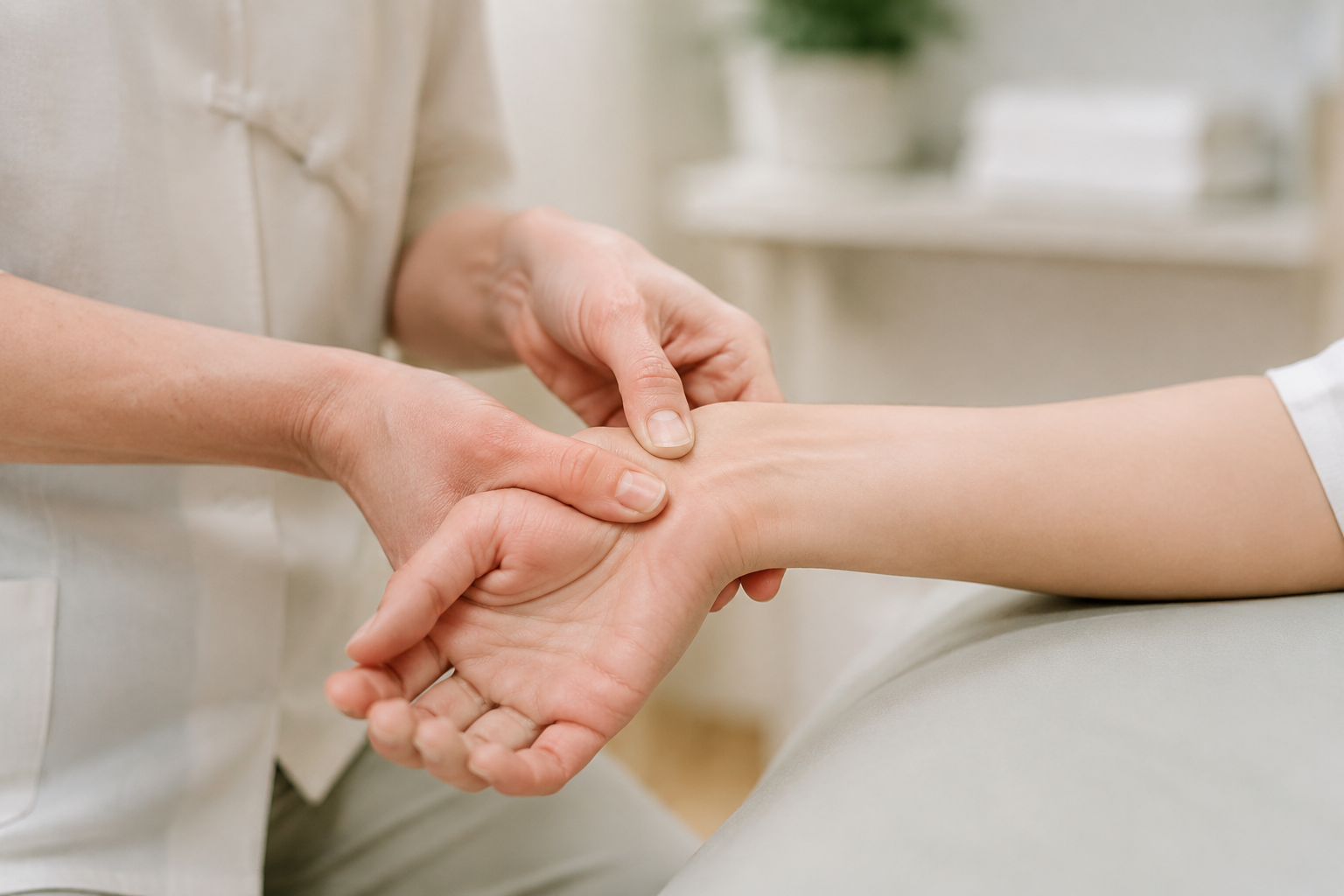
Acupressure applies focused pressure to specific acupuncture points using the fingers, hands, or specialized tools rather than acupuncture needles. These points may be selected to address areas of pain and tension, encourage circulation, calm the nervous system, and support the body’s natural healing processes.
Acupressure can be an excellent option for individuals who prefer a needle-free treatment. It can also be combined with acupuncture, Tui Na, cupping, gua sha, and other therapeutic techniques.
What Is Chinese Medical Massage?
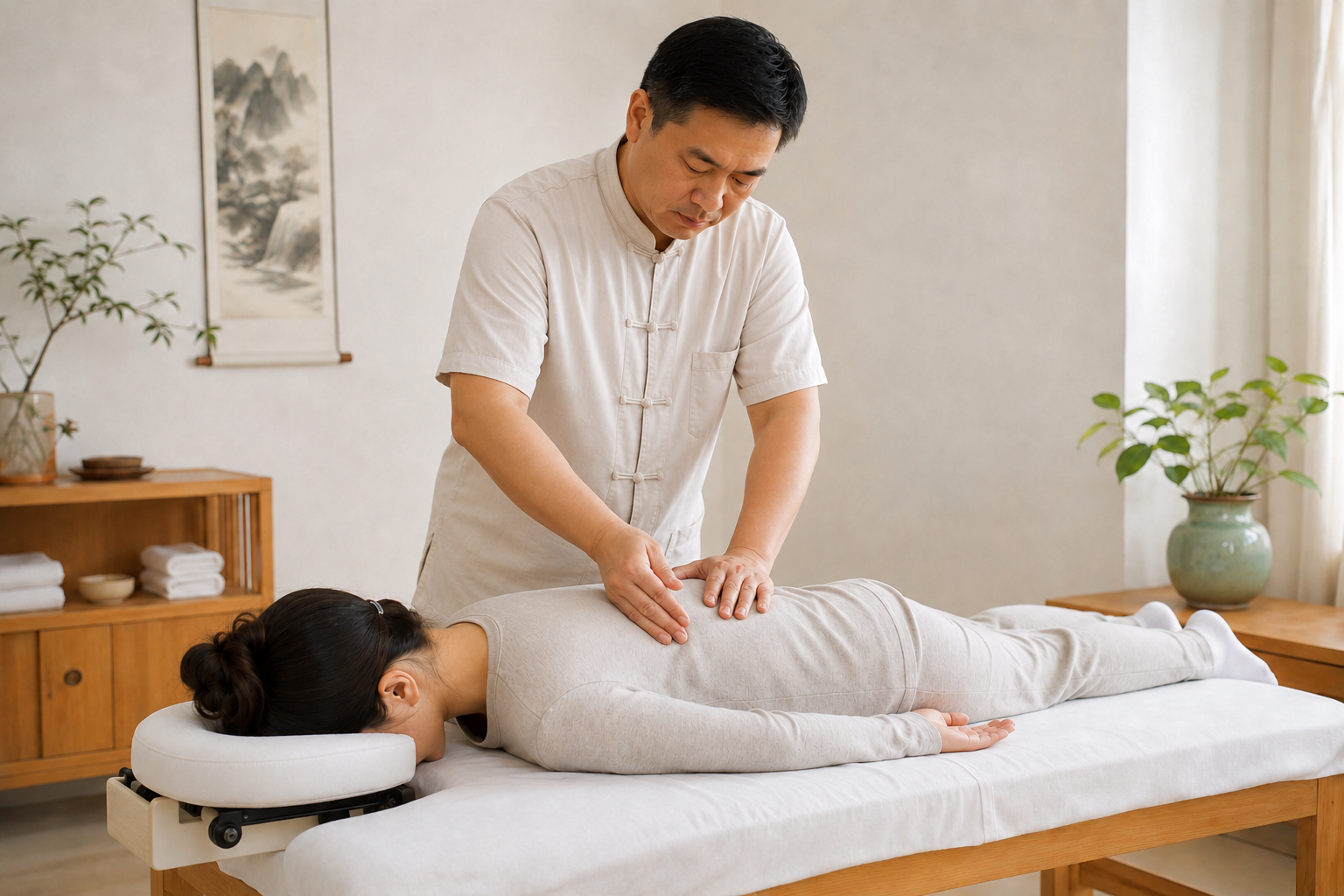
Chinese medical massage is a broad category of hands-on therapy guided by the principles of Traditional Chinese Medicine. Rather than simply providing general relaxation, treatment is tailored to the individual’s symptoms, areas of restriction, and underlying pattern of imbalance.
Tui Na and acupressure are two of the primary techniques used within Chinese medical massage. Depending on the patient’s needs, treatment may also incorporate stretching, passive movement, compression, soft-tissue work, and gentle joint mobilization.
What Can Tui Na and Acupressure Help Address?
Tui Na, acupressure, and Chinese medical massage may be used to support many common concerns, including:
Neck, shoulder, and back pain
Muscular tightness and stiffness
Restricted movement and reduced flexibility
Repetitive-use and overuse discomfort
Headaches associated with muscular tension
Athletic soreness and post-exercise recovery
Stress and nervous-system tension
General circulation and physical well-being
These therapies may be particularly helpful when pain or restricted movement involves tight muscles, connective tissue, or areas of persistent tension.
Can Tui Na Be Combined with Acupuncture?
Yes. Tui Na and acupressure work especially well alongside acupuncture. Hands-on treatment can help release tight muscles, improve mobility, and prepare areas of tension before or after acupuncture.
Tui Na may also be combined with cupping, gua sha, herbal therapies, and other Traditional Chinese Medicine modalities to create a more comprehensive and individualized treatment.
What Should I Expect During Treatment?
Treatment begins with a brief evaluation of your symptoms, areas of discomfort, mobility, and therapeutic goals. Your practitioner will then select and adapt the techniques to address your specific needs.
Unlike many conventional massage treatments, Tui Na is generally performed over comfortable clothing and rarely requires clothing to be removed. Depending on the treatment area and techniques used, you may remain seated or be positioned comfortably on a treatment table.
Throughout the session, your practitioner will carefully monitor your comfort and response to treatment. Pressure, stretching, and movement are adjusted to therapeutically address muscular tension, restricted mobility, and other areas of discomfort without causing unnecessary pain.
Treatment should always remain within a comfortable and therapeutic range. Please communicate with your practitioner at any time if you would like the pressure, positioning, or technique adjusted.
How Long Has Tui Na Been Practiced?
Hands-on therapeutic techniques have been an important part of Chinese medicine for thousands of years. Over time, these methods developed into organized systems of medical massage that incorporated acupressure, stretching, joint movement, and specialized soft-tissue techniques.
Today, Tui Na remains an established branch of Traditional Chinese Medicine and continues to be practiced both as an independent therapy and as a complement to acupuncture and Chinese herbal medicine.
Tui Na/Chinese Medical Massage services offered at Foothills Acupuncture
-
At Foothills Acupuncture, Tui Na treatments are guided by our comprehensive training in Traditional Chinese Medicine and tailored to your specific condition. We evaluate your symptoms, movement patterns, areas of restriction, and the channels and acupoints involved before selecting the most appropriate techniques.
Rolling, kneading, acupressure, stretching, soft-tissue work, and joint mobilization may be combined to help reduce pain and tension, support circulation, improve mobility, and promote physical recovery and healthier function.
This needle-free treatment may be scheduled as a stand-alone service or used to complement an existing acupuncture treatment plan. Patients who want to receive both acupuncture and dedicated Tui Na treatment during the same visit may select the Acupuncture and Chinese Tui Na/Medical Massage Follow-Up.
Payment Information
Appointment price: $110
Payment is due in full at the time of the appointment unless prior arrangements have been approved or an eligible insurance claim is being submitted.
Insurance coverage for stand-alone Tui Na treatment varies by plan and authorization.
As an individual service, Tui Na Therapeutic Massage is not eligible for a standard or extended installment plan.
A valid credit or debit card may be required to remain on file for patients using insurance.
Completed appointments are nonrefundable.
-
Designed for patients who have completed an initial acupuncture assessment, this specialized follow-up may be scheduled as a one-time appointment or incorporated into a continuing treatment plan. It combines the whole-body support of acupuncture with the hands-on, musculoskeletal focus of Chinese Tui Na medical massage.
Together, these therapies provide a multifaceted approach to pain, tension, and physical dysfunction—supporting circulation and mobility, relaxing restricted tissues, calming the nervous system, and promoting healthier physical function.
At Foothills Acupuncture, we understand that pain can affect more than one area of the body. Physical discomfort may contribute to stress, disrupted sleep, fatigue, digestive changes, and difficulty participating fully in daily life. Likewise, prolonged stress and internal imbalances can influence muscular tension, recovery, and how the body experiences pain. This combined treatment allows your practitioner to address both your physical symptoms and the broader patterns affecting your comfort and well-being.
Each appointment begins with a focused review of your symptoms, movement, areas of restriction, and treatment goals. Acupuncture is customized according to your Traditional Chinese Medicine diagnosis and may address pain while also supporting stress regulation, sleep, digestion, and other interconnected aspects of your health.
Tui Na techniques—including acupressure, rolling, kneading, stretching, soft-tissue work, and joint mobilization—are selected according to your condition, comfort, and treatment goals. Unlike conventional relaxation massage, Tui Na is clinically focused and intended to address specific patterns of muscular tension, restricted movement, and physical dysfunction.
This service may be especially beneficial for persistent muscular tension, limited mobility, overuse injuries, sports-related discomfort, stress-related tightness, and pain involving the back, neck, shoulders, hips, or other joints. It may be scheduled as an individual follow-up or incorporated into a broader course of care for pain management, stress support, or recovery. Because this specialized service includes both acupuncture and dedicated hands-on treatment time, availability may be limited.
Payment Information
Appointment price: $150
Payment is due in full at the time of the appointment unless prior arrangements have been approved or an eligible insurance claim is being submitted.
Insurance coverage for combined acupuncture and manual therapy services varies by plan and authorization.
As an individual service, this appointment is not eligible for a standard or extended installment plan.
Unless specifically stated in a treatment-program agreement, this combined service is billed separately and is not automatically included as a program treatment.
A valid credit or debit card may be required to remain on file for patients using insurance.
Completed appointments are nonrefundable.
How Can I Schedule a Tui Na/Chinese Medical Massage Appointment?
Tui Na/Chinese medical massage appointments can be easily scheduled online or by contacting us via text, voice or email. We offer a standalone 45 minute treatment session and 60 minute acupuncture and tui na combination treatment.
If you are unsure which appointment is best for your needs, please contact Foothills Acupuncture by phone, text, or email. You may also schedule a complimentary consultation so we can help you select the most appropriate treatment option.
Call/Text: 720-683-0577
email: info@foothillsacupuncture.com
Use the online scheduler below to book your appointment.